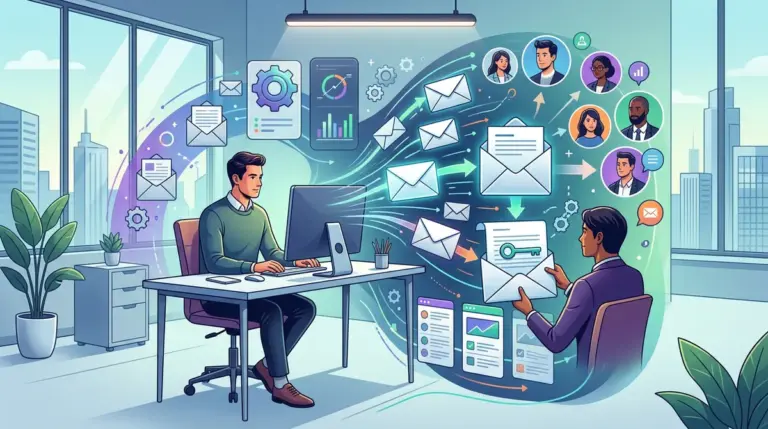

When email engagement metrics dip, the standard response from most marketing departments is to pull back on frequency. This is a defensive move that often results in a proportional drop in revenue and site traffic. If you reduce your send volume by 30%, you are likely sacrificing a similar percentage of your conversion opportunities. The goal is not to send less email; it is to eliminate the friction that causes a user to reach for the unsubscribe link while maintaining the visibility your brand requires.
Reducing churn in your subscriber list requires a shift from volume-based thinking to relevance-based execution. By implementing granular controls and behavioral triggers, you can maintain high-frequency touchpoints without exhausting your audience.
Implementing the "Opt-Down" Strategy via Preference Centers
The primary reason users unsubscribe is not necessarily the content itself, but the frequency of delivery. Most email platforms offer a binary choice: receive everything or receive nothing. By replacing a standard unsubscribe page with a robust preference center, you offer a middle ground that preserves the relationship.
Best for: High-volume publishers and e-commerce brands with daily or multi-weekly cadences.
A functional preference center should allow users to "opt-down" rather than "opt-out." This involves two specific levers:
- Frequency Capping: Allow users to switch from a daily digest to a weekly summary. This keeps the brand in the inbox without cluttering it.
- Topic Segmentation: If you are an SEO agency or a marketing publisher, a user might be interested in "Content Strategy" but indifferent to "Technical SEO Updates." Let them toggle specific categories.
- Temporary Snooze: Provide a "Pause for 30 days" option. This is particularly effective during high-volume periods like Black Friday or major industry events where email fatigue peaks.
By giving the user agency over their inbox, you transform the email from an intrusive broadcast into a curated service. This shift in power dynamics significantly lowers the psychological urge to permanently sever the connection.
Leveraging Behavioral Triggers to Replace Batch-and-Blast
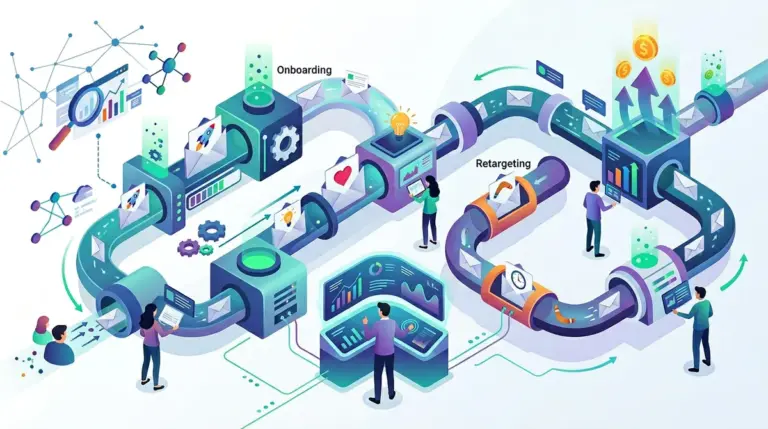
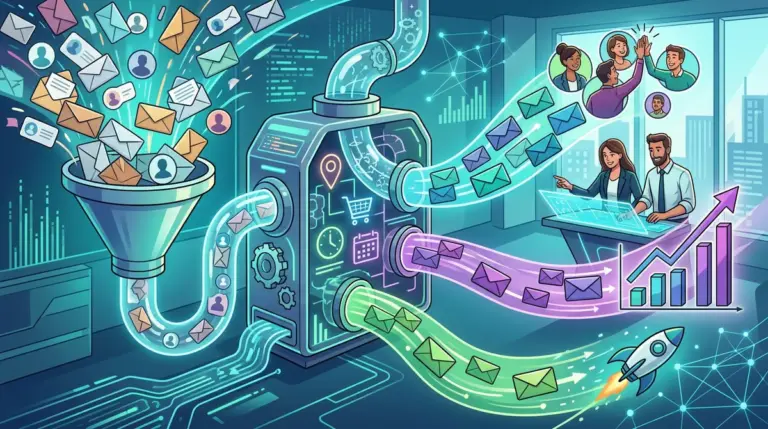
Batch-and-blast emails—sending the same message to your entire list at the same time—is the most common driver of high unsubscribe rates. It ignores the user’s current context and intent. To maintain high volume without the churn, you must transition to a trigger-based model where the user’s actions dictate the cadence. To maintain high volume without the churn, you must transition to a trigger-based model where the user’s actions dictate the cadence, much like effective lifecycle email campaigns do.
Instead of a generic Tuesday morning newsletter, use "Inactivity Triggers" and "Interest Signals." If a subscriber clicks a link about a specific software category on your site, they should be entered into a short-term, high-relevance automated sequence regarding that topic. Because the content is directly related to their recent behavior, the perceived value is higher, and the tolerance for frequency increases.
Warning: Avoid "Shadow Ghosting" your audience. Some marketers try to hide the unsubscribe link or use low-contrast colors to prevent churn. This is a short-sighted tactic that leads to "Mark as Spam" reports. High spam reports damage your sender reputation and ensure your emails land in the Promotions or Spam folders for your most engaged users. Always make the exit clear, but make the alternatives more attractive.
Intent-Based Segmentation Logic
Segmenting by demographics is a baseline requirement, but segmenting by "Lifecycle Stage" is how you sustain high send rates. A new subscriber in an onboarding phase expects—and often welcomes—a higher frequency of emails. Conversely, a long-term customer who has not engaged in 90 days will view that same frequency as spam. Adjust your cadence dynamically based on the "Recency, Frequency, Monetary" (RFM) model to ensure your most frequent emails are only hitting your most active users.
Enhancing Deliverability Through List Hygiene and Sunsetting
It sounds counterintuitive, but one of the best ways to reduce unsubscribes is to stop sending emails to people who aren't opening them. This is known as a "Sunset Policy." When unengaged users stay on your list, they eventually get frustrated and hit unsubscribe or spam. By proactively moving these users to a "re-engagement" segment with a much lower frequency, you prevent the hard opt-out.
Best for: Improving sender reputation and ensuring primary inbox placement for active users.
A typical sunset flow looks like this:
- 30 Days of Inactivity: Move the user from a daily to a bi-weekly cadence.
- 60 Days of Inactivity: Send a "Win-back" offer or a "Are we still welcome?" email.
- 90 Days of Inactivity: Stop regular sends and only include them in major quarterly announcements.
This technical hygiene keeps your "Open Rate" high. High open rates signal to ISPs (like Gmail and Outlook) that your content is wanted, which keeps you out of the "Promotions" tab. When your email is seen as a priority, it is less likely to be viewed as a nuisance.
Aligning Email Content with SEO and Distribution Workflows
For SEO professionals and publishers, email is a vital distribution channel that feeds the "engagement signals" Google looks for, such as dwell time and repeat visits. To keep unsubscribes low while using email as a traffic driver, the content must provide immediate utility within the inbox, not just a "click here to read more" bait-and-switch.
Include "In-Email Value" such as a summary of key findings, a checklist, or a direct data point. When a user feels they learned something without even leaving their email client, they view your brand as an authority. This builds "Brand Salience." When they eventually do need to click through for a deeper dive or a service, they do so with a higher level of trust. High-value, low-friction content is the most effective hedge against list attrition.
Strategic Cadence Adjustments
The final pillar of maintaining volume is "Send Time Optimization" (STO). Sending an email when a user is historically active on their device reduces the time that email sits in an unread pile. An email that sits at the bottom of a stack of 50 other unread messages is often deleted or unsubscribed from en masse during a "folder cleanup." By hitting the top of the inbox exactly when the user is checking it, you increase the likelihood of engagement and decrease the likelihood of being part of a bulk-delete session.
Actionable Workflow for Retention:
- Audit your current unsubscribe page and replace it with a multi-option preference center.
- Identify your "Power Users" (those with a 50%+ open rate) and maintain their high-frequency cadence.
- Implement a 60-day sunset policy for inactive subscribers to protect deliverability.
- Shift 20% of your "Batch" emails into "Behavioral" triggers based on site activity.
Frequently Asked Questions
Does sending more email always lead to more unsubscribes?
Not necessarily. Correlation is not always causation. Increased unsubscribes are usually a result of a drop in *relevance*, not just an increase in *volume*. If you increase frequency while also increasing the specificity of your segmentation, you can often maintain or even lower your unsubscribe rate. If you increase frequency while also increasing the specificity of your segmentation, you can often maintain or even lower your unsubscribe rate, showing how to segment your email list effectively is key.
What is a "healthy" unsubscribe rate for a marketing list?
For most industries, an unsubscribe rate below 0.5% per send is considered healthy. If you are consistently seeing rates above 1%, it is a clear indicator that your frequency has outpaced your value or that your list acquisition methods are bringing in low-intent users.
Should I remove inactive users manually?
While you can do it manually, it is more efficient to use automated "Sunset Flows." This ensures that users who have stopped engaging are moved to a lower-frequency tier automatically, preserving your sender reputation without losing the lead entirely.
Can a preference center actually increase engagement?
Yes. By allowing users to select their interests, you are essentially getting them to self-segment. This provides you with high-intent data that allows you to send even more targeted—and therefore more effective—marketing messages in the future.