
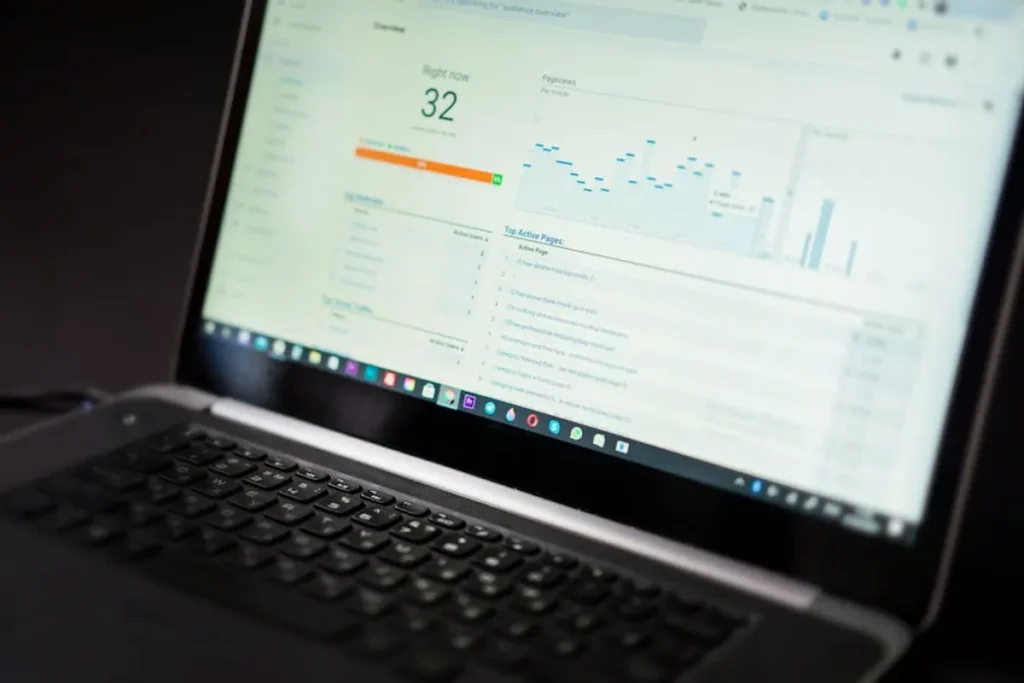
Landing pages are distinct from blog posts or evergreen content; their primary objective is conversion. They often serve a specific campaign, product, or service, requiring a targeted SEO approach that balances discoverability with user action. Unlike broader content, a landing page's success is measured not just by traffic, but by its ability to guide visitors toward a specific goal—be it a purchase, signup, or download. This necessitates an SEO checklist that integrates technical optimization with user experience and conversion rate best practices.
Core On-Page SEO Elements
Effective on-page SEO ensures search engines understand your landing page's purpose and relevance, while also compelling users to engage.
Title Tag Optimization
The title tag remains a critical ranking factor and the first impression in search results. Position your primary keyword near the beginning to signal immediate relevance to both search engines and users. Keep titles concise, typically under 60 characters, to prevent truncation in SERPs. Integrate a compelling value proposition or call to action where appropriate, but prioritize clarity and keyword inclusion.
Meta Description Crafting
While not a direct ranking factor, a well-written meta description significantly influences click-through rates. This 150-160 character snippet should summarize the page's offer, include relevant keywords naturally, and provide a clear, enticing call to action. Think of it as an advertisement for your page in the search results.
URL Structure
A clean, descriptive URL reinforces the page's topic to both search engines and users. Use concise, keyword-rich URLs that are easy to read and understand. Avoid long strings of numbers or irrelevant characters. A logical URL structure also contributes to a better user experience and easier internal linking.
Header Tag Strategy (H1, H2, H3)
Header tags (H1, H2, H3, etc.) provide structure and hierarchy to your content, making it scannable for users and understandable for search engines. Use only one H1 tag per page, reserving it for the primary topic and incorporating your main keyword. Subsequent H2 and H3 tags should break down subtopics logically, using secondary keywords to elaborate on the main theme. This helps search engines grasp the content's depth and relevance.
Content Quality and Relevance
The text on your landing page must directly address user intent and provide clear, concise value. Ensure the content is unique, well-researched, and directly supports the page's conversion goal. While keyword inclusion is important, prioritize natural language and user experience over keyword density. The content should clearly articulate the unique selling proposition and overcome potential objections.
Image Optimization
Images enhance user engagement but can impact page load speed. Optimize all images for web by compressing them without sacrificing quality. Use descriptive filenames (e.g., product-name-feature.jpg) and comprehensive alt text that describes the image content and includes relevant keywords. Alt text aids accessibility for visually impaired users and provides context to search engines.
Internal Linking
Strategically link to your landing page from other relevant pages on your site, using descriptive anchor text that includes target keywords. This distributes link equity, improves crawlability, and guides users to important conversion points. Ensure these links are contextually relevant and provide additional value.
Technical SEO Considerations for Landing Pages
Underlying technical factors directly impact how search engines crawl, index, and rank your landing pages.
Page Speed Performance
Slow-loading landing pages lead to higher bounce rates and negatively impact rankings. Prioritize Core Web Vitals metrics like Largest Contentful Paint (LCP), First Input Delay (FID), and Cumulative Layout Shift (CLS). Optimize images, leverage browser caching, minify CSS and JavaScript, and ensure a fast server response time to improve loading speeds.
Mobile Responsiveness
Given the prevalence of mobile browsing, a responsive design is non-negotiable. Your landing page must adapt seamlessly to various screen sizes, offering an optimal viewing and interaction experience on smartphones and tablets. Google's mobile-first indexing prioritizes the mobile version of your site for ranking.
Schema Markup
Implementing structured data using Schema.org vocabulary can enhance your landing page's appearance in SERPs through rich snippets. For product landing pages, Product Schema can display ratings, prices, and availability directly in search results. FAQ Schema can answer common questions, increasing visibility and click-through rates.
Canonical Tags
If your landing page content appears in slightly different versions across your site (e.g., for tracking parameters or A/B testing), use canonical tags to specify the preferred version. This prevents duplicate content issues and consolidates ranking signals to a single URL.
XML Sitemaps and Robots.txt
Ensure your landing pages are included in your XML sitemap, which helps search engines discover all your important content. Conversely, use your robots.txt file to block pages you explicitly do not want indexed (e.g., thank-you pages that offer no unique value to search users), ensuring crawl budget is spent on valuable content.
User Experience (UX) and Conversion Rate Optimization (CRO)
SEO for landing pages extends beyond technical factors; it encompasses how users interact with the page and whether they complete the desired action.
Clear Call-to-Action (CTA)
The CTA is the focal point of a landing page. It must be prominent, visually distinct, and use action-oriented language. Ensure there's a single, clear primary CTA to avoid confusing users. The placement should be intuitive, often above the fold and repeated strategically throughout the page.
Trust Signals
Building trust is crucial for conversions. Integrate elements like customer testimonials, star ratings, security badges, privacy policy links, and guarantees. These signals reassure users and mitigate perceived risks, encouraging them to complete the desired action.
Content Readability
Even with compelling content, if it's difficult to read, users will disengage. Employ short paragraphs, bullet points, numbered lists, and ample white space. Use clear, concise language, and break up text with relevant images or videos to maintain user attention.
Pro Tip: While keyword optimization is vital for discovery, remember that a landing page's ultimate goal is conversion. Prioritize user experience and clear calls to action over aggressive keyword stuffing. A page that ranks but doesn't convert serves little commercial purpose.
Sustaining Landing Page Performance
Optimizing a landing page is not a one-time task. Continuous monitoring, testing, and iteration are essential for long-term success. Regularly review performance metrics like organic traffic, bounce rate, time on page, and conversion rates. A/B test different elements—headlines, CTAs, images, and content—to identify what resonates best with your target audience. Stay informed about algorithm updates and evolving user expectations to keep your landing pages competitive and effective.
Frequently Asked Questions
How often should I update landing page SEO?
Review your landing page SEO quarterly or whenever significant changes occur in your product, service, or target audience. Content updates should align with new information, competitive shifts, or evolving search trends.
What's the most critical SEO factor for landing pages?
While all factors are interconnected, aligning your landing page content with user search intent is arguably the most critical. If the page doesn't directly address what a user is looking for, other optimizations will have limited impact.
Can a landing page rank for multiple keywords?
Yes, a landing page can rank for multiple related keywords, especially long-tail variations. However, each landing page should ideally focus on a primary keyword theme to maintain relevance and avoid diluting its purpose.
How does page speed impact landing page SEO?
Page speed directly affects user experience and search engine rankings. Slower pages lead to higher bounce rates and can be demoted in search results, particularly on mobile, impacting organic visibility and conversion potential.